Sourcing
Direct Sourcing vs Using a Sourcing Agent for Sportswear: Which Is Right for Your Brand?
Sourcing agents charge roughly 5-12% commission. Here is when that fee earns its keep, when buying direct from a sportswear manufacturer makes more sense, and how to switch.
Quick answer: direct sourcing vs a sourcing agent
A sourcing agent finds and vets suppliers, coordinates production, and manages quality control on your behalf, typically for a commission of around 5-12% of order value. Direct sourcing means working with the manufacturer yourself, with no intermediary fee, but taking on the vetting, communication, and QC coordination work the agent would otherwise handle. Direct sourcing tends to make the most sense once you have an already-vetted manufacturer, place reasonably regular or sizable orders, and have the internal capacity to manage production communication yourself. An agent earns their fee when you're new to sourcing, face a real language or time-zone barrier, or need to coordinate several factories at once — none of which is a permanent state for most growing brands.
What a sourcing agent actually does, and what it costs
A sourcing agent is a paid service: they find and vet suppliers, negotiate pricing, coordinate production schedules, and often arrange quality inspection, acting on your behalf rather than the factory's. Commission rates run roughly 5-12% of order value industry-wide, with some agents offering lower tiered rates (closer to 3-6%) in exchange for less hands-on service. That fee isn't pure markup for nothing — a competent agent is providing real labor: supplier vetting, local-language communication, and logistics coordination you'd otherwise have to do yourself.
Worth distinguishing clearly: a sourcing agent is not the same as a trading company. An agent works for you under a service fee and is expected to disclose the actual factory; a trading company sells to you at a marked-up price and may not disclose which factory actually made your order at all. If you're evaluating a "sourcing partner" and can't get a straight answer about who the actual manufacturer is, you're likely dealing with a trading company, not an agent — a meaningfully different relationship with different incentives.
What direct sourcing actually means
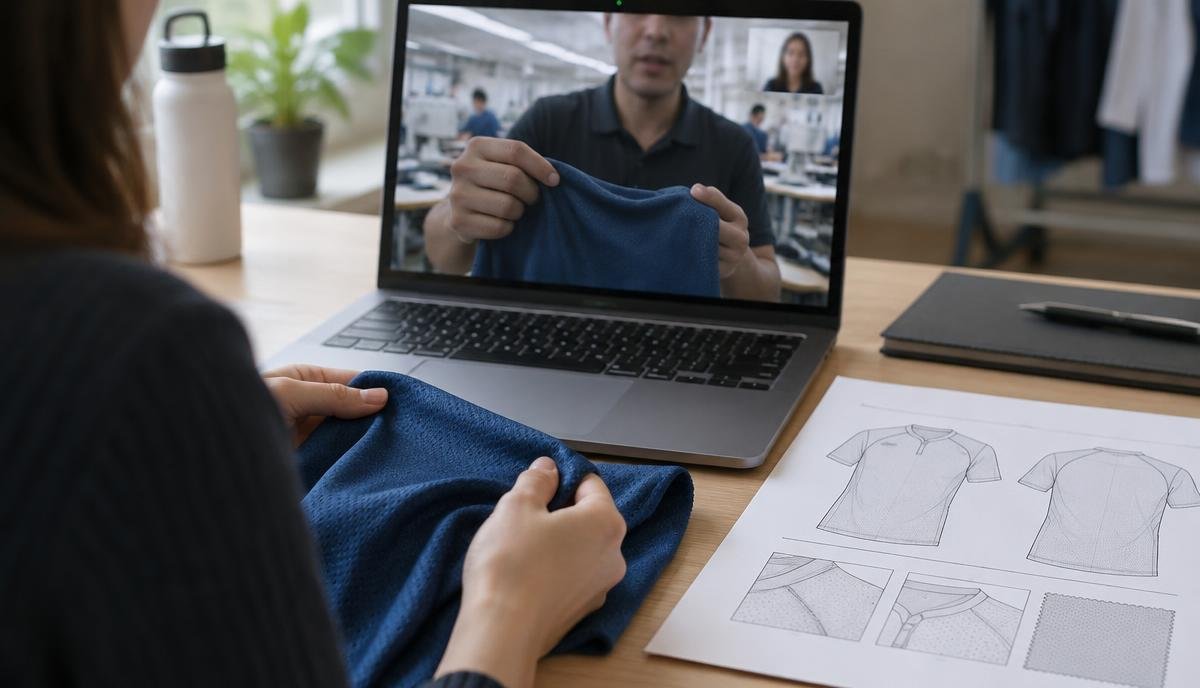
Direct sourcing is working with the manufacturer itself — no intermediary, no commission layered on top of the factory's own price. You communicate directly with the factory, approve samples directly, and own the quality-control and logistics coordination yourself (or build that into your relationship with the manufacturer directly, which many manufacturers, including Belta, offer as part of the service rather than something you have to arrange separately).
The real trade-offs, compared honestly
| Factor | Sourcing agent | Direct sourcing |
|---|---|---|
| Cost | Factory price plus ~5-12% commission | Factory price only |
| Vetting workload | Agent vets suppliers for you | You (or the manufacturer's own transparency) carry this |
| Communication | Agent often bridges language/time-zone gaps | Direct — faster when it works, harder when it doesn't |
| Speed of changes | Slower — requests pass through a third party | Faster — direct line to the people making the product |
| Risk for a first-time buyer | Lower — agent has already vetted the factory | Higher — you're doing the vetting yourself |
| Best for | New-to-sourcing buyers, multi-factory orders, real language barriers | Experienced buyers, an already-vetted manufacturer, ongoing relationships |
When an agent genuinely makes sense — this isn't a token concession
If you're sourcing for the first time, don't yet have a vetted manufacturer relationship, or are coordinating production across several different factories for one collection, an agent's fee is often worth paying. The commission buys you someone else's existing vetting work and local presence — genuinely difficult and time-consuming to replicate from scratch, especially the first time. Smaller businesses placing infrequent or highly varied orders are often better served by an agent than by building direct relationships they won't maintain regularly enough to make the coordination effort worthwhile.
When direct sourcing makes more sense
Once you have a manufacturer you've already vetted and trust, direct sourcing removes a recurring cost with no remaining benefit attached to it — you're no longer new to the relationship, so the agent's original value (vetting, introduction, language bridging) has already been delivered and isn't ongoing. Direct sourcing also tends to be faster for mid-production changes, since requests go straight to the people making the decision rather than through a third party relaying them. For brands placing regular, sizable, or ongoing orders with one or two trusted manufacturers, the commission saved compounds meaningfully over time.
What changes if your direct manufacturer handles more than just production
Part of what makes "agent vs. direct" feel like a harder trade-off than it needs to be is the assumption that going direct means doing everything yourself — language, documentation, logistics, QC — with no support at all. In practice, a manufacturer set up to work with international buyers (English-language communication, export documentation handled in-house, structured sampling and inspection process) closes much of that gap without an agent's commission attached. Worth asking directly, before assuming you need an agent to bridge a gap: does the manufacturer itself already bridge it?
If you're weighing this decision for an upcoming order, request a quote at beltasports.com — a short conversation about your specific product and volume usually makes it clear whether going direct makes sense now, or whether an agent still adds real value at your current stage.
Switching from an agent to direct sourcing later
This is common and often happens naturally as a relationship matures — many brands start with an agent and move to direct sourcing once they're comfortable with a specific supplier. Worth knowing honestly: switching isn't risk-free. It resets the relationship in a real sense, and a factory that gave priority to a long-standing agent relationship may initially treat a new direct account as an ordinary small buyer rather than inheriting the priority status the agent had built up. Expect pricing and terms to be renegotiated, not automatically carried over.
Common mistakes when choosing between an agent and direct sourcing
- Assuming direct is always cheaper without accounting for the vetting and coordination work you're now doing yourself
- Staying with an agent indefinitely out of inertia, long after the relationship has matured enough that direct sourcing would save real money
- Switching to direct sourcing before actually vetting the manufacturer yourself, skipping the exact work the agent was doing
- Confusing a trading company (marked-up price, often undisclosed factory) with a transparent sourcing agent (service fee, disclosed factory) and evaluating them the same way
- Assuming a manufacturer can't offer the same communication and documentation support an agent provides, without actually asking
How to decide in five questions
- Have you already vetted this manufacturer yourself — samples approved, factory verified, references checked? If yes, the agent's main value is already delivered.
- How often do you order? Regular or repeat orders favour direct sourcing; one-off or highly varied orders favour an agent.
- How many factories does one collection need? One or two leans direct; several leans agent.
- Does the manufacturer communicate in English, handle export documents, and run its own inspections? If yes, the gap an agent bridges is much smaller.
- What does the commission cost you per year? At 5-12% of order value, a recurring programme can make that the single biggest saving available.
Related reading
- Sourcing Sportswear From Sialkot, Pakistan — the parent guide to this article.
- How to vet an apparel supplier — the checklist to run before going direct.
- How to safely pay a sportswear manufacturer — deposits, trade terms and red flags.
- AQL inspection explained — what quality control looks like without an agent.
- Overseas vs domestic sportswear manufacturing — the decision before this one.
Frequently asked questions
- Is it cheaper to source direct from a factory than use an agent?
- Usually, once you've already vetted the factory — you avoid the 5-12% commission layered on top of the factory price. It's not automatically cheaper for a first order with an unvetted supplier, since you're taking on the vetting work an agent's fee would otherwise cover.
- What does a sourcing agent actually do?
- Finds and vets suppliers, negotiates pricing, coordinates production schedules, and often arranges quality inspection — acting on the buyer's behalf for a service fee, typically 5-12% of order value.
- Can I switch from using an agent to sourcing direct later?
- Yes, and it's common as a brand matures. Expect the relationship to effectively reset — pricing and priority status built up through the agent don't automatically carry over to a new direct account.
- What's the difference between a sourcing agent and a trading company?
- A sourcing agent works for the buyer under a transparent service fee and should disclose the actual manufacturer. A trading company sells at a marked-up price and may not disclose which factory made the goods at all — a different relationship with different incentives, even though the two are often confused.
- Is direct sourcing only for large or experienced buyers?
- It's lowest-risk for experienced buyers with an already-vetted manufacturer, but it isn't exclusively for large orders — many manufacturers, including smaller custom-focused ones, work directly with first-time brands at modest order volumes.
- Can a clothing manufacturer also act as a sourcing partner?
- Some can, in practice, by offering the communication, documentation, and quality-coordination support a reader might otherwise look to an agent for — worth asking a prospective manufacturer directly what they handle in-house before assuming you need a separate agent.
About the author
Hamza Iqbal
Head of Export Operations, Belta Sports
Hamza has spent over a decade coordinating apparel export shipments out of Sialkot for buyers in the UK, EU, US and Australia.